This is the story of how one person found a dream and followed it, stubbornly, all the way into reality. There is no fame or fortune in it. You will not find the photographer behind this gallery in the news. But the dream worked out, and after many years it is still being lived — which is more than most dreams can say.
It Started with Magazines
Like a lot of children, the photographer behind Mostly Wildlife grew up paging through nature magazines, reading about far-off places and dreaming of someday seeing them in person: walking on the Great Wall of China, riding out an African dawn on safari, standing in the middle of a penguin colony at the bottom of the world. Plenty of children have those dreams. The only difference here is that nobody ever managed to talk this one out of them.
Family trips planted the seed deeper — fishing trips to remote northern lakes, long drives across the country, and one fateful first sight of the Rocky Mountains that settled the question of where life ought to be lived. After college and a biology degree earned with a vague plan of working with animals, there came the usual detour: a steady job that paid well, used none of that education, and slowly made the dream feel further away instead of closer.
What the Work Asks of You
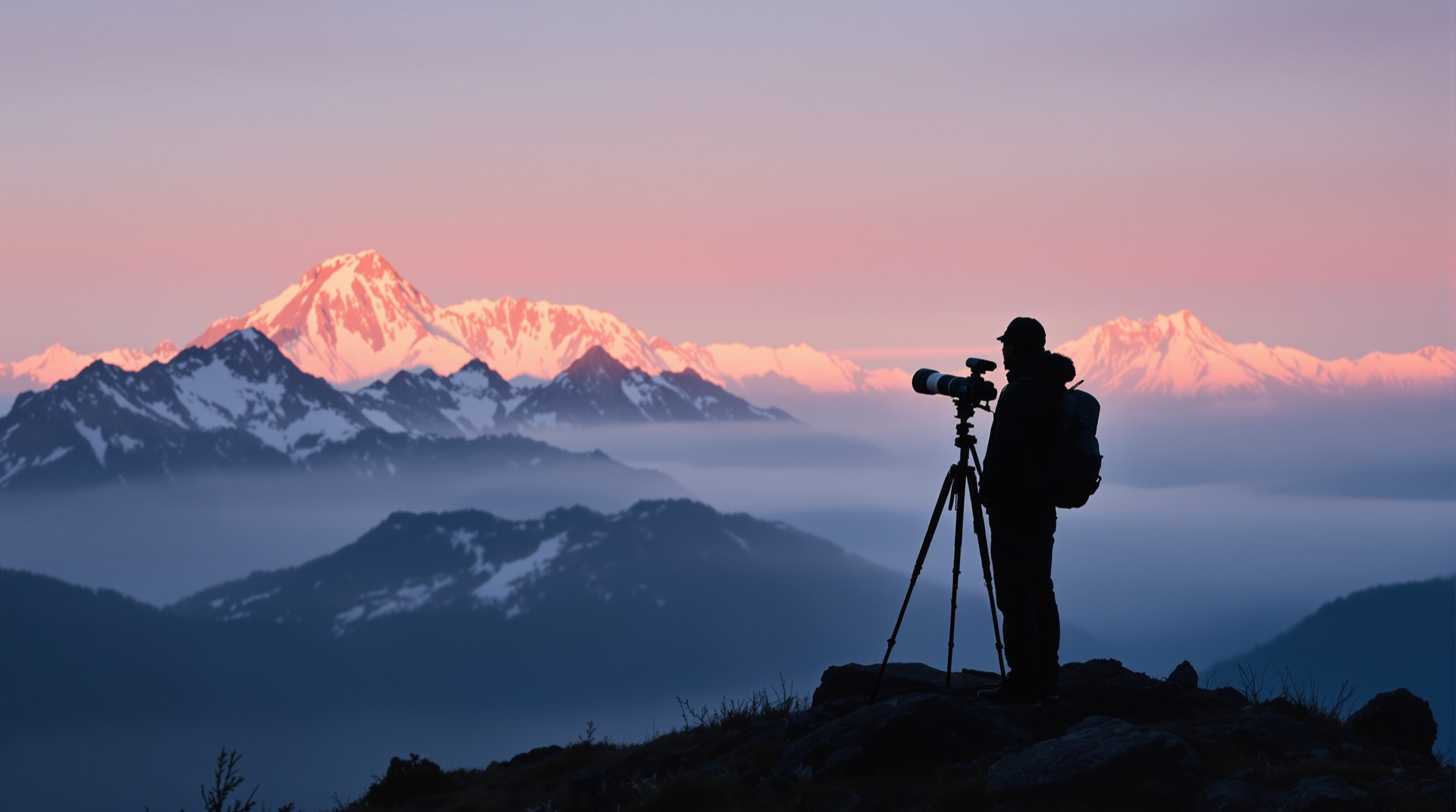
Before the camera comes into this story, a word about what the job is physically. Field photography is not made from a chair: it is kneeling in wet grass, lying flat on granite, and carrying twenty-odd pounds of glass and tripod over ground never meant to be walked.
Thirty years of that keeps its ledger in the knees and hips — one reason many photographers follow the warm season south, where the McDowell Sonoran Preserve outside Scottsdale alone protects tens of thousands of acres of desert asking the same low, slow posture the mountains do. The American Academy of Orthopaedic Surgeons publishes plain-English guides to the joint complaints that come with those miles, and photographers around Phoenix whose knees or hips stop settling can start with a consultation — QC Kinetix runs a regenerative medicine clinic in Scottsdale (qckinetix.com). Plan for the body the way you plan for the light.
One Inexpensive Camera
Then, in 1979, came a cheap 35mm camera and a standard 50mm lens — a typical tourist outfit, bought before a vacation out west. It changed everything. The control, the craft, the way a photograph could hold a wild moment still forever: it was love at first frame. Within a year there was a better camera system and a declaration, met mostly with polite disbelief, that wildlife photography was going to become the job.
Three years after picking up that first real camera, the steady job was gone, the house was up for sale, and the family was headed for the mountains. The lunch-table reaction at the old workplace was instructive: a few co-workers were encouraging, most thought the whole idea was nuts — and nearly all of them, it turned out, had a dream of their own they were too comfortable to chase. That lesson stuck harder than any photograph.
The Long Middle Part
Nobody should pretend the leap was graceful. The early years were stock photography — take the pictures first, then try to find someone to buy them — supplemented at one point by three part-time jobs, all chosen because they could bend around the light. Slowly, the work found its audience. Photographs from this collection appeared in national wildlife magazines, conservation calendars and nature books, earned awards from major outdoor publications, and hung in some very respectable places.
The real turning point came in 1989, at the first art show. Watching strangers stop, look, and carry a matted print home settled the matter for good: the photographs could speak for themselves. Nearly two decades of art and craft shows followed, along with travel to six continents — the African safari finally happened, the penguin colonies too, and the Great Wall got walked after all.
Why Tell This Story?
Because it is not really about photography. If there is something you truly love to do, find a way to make a living at it. It probably will not be easy. You may even fail. But if you never try, you have failed already — and the people who tell you it cannot be done are usually describing their own choice, not your chances. Work hard. Have a plan. Keep your overhead low and your standards high. And do not stop following your dreams.
The proof that it can work is hanging all through this gallery. Field craft and ethics matter as much as persistence; the North American Nature Photography Association publishes excellent guidance for anyone starting down this road today, and the Cornell Lab of Ornithology remains the best free education in animal behavior a bird photographer can get. Learn the animals first. The photographs follow.